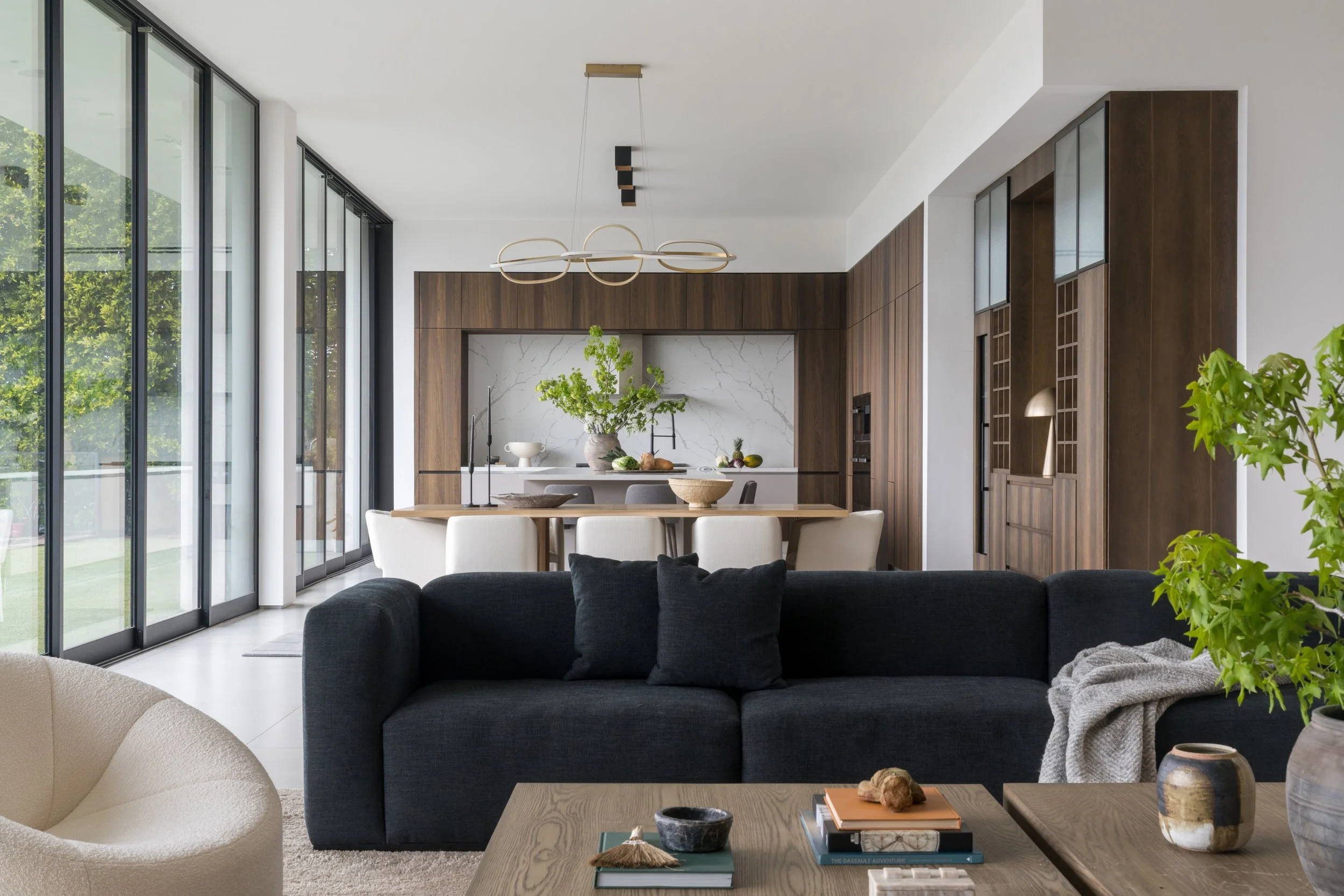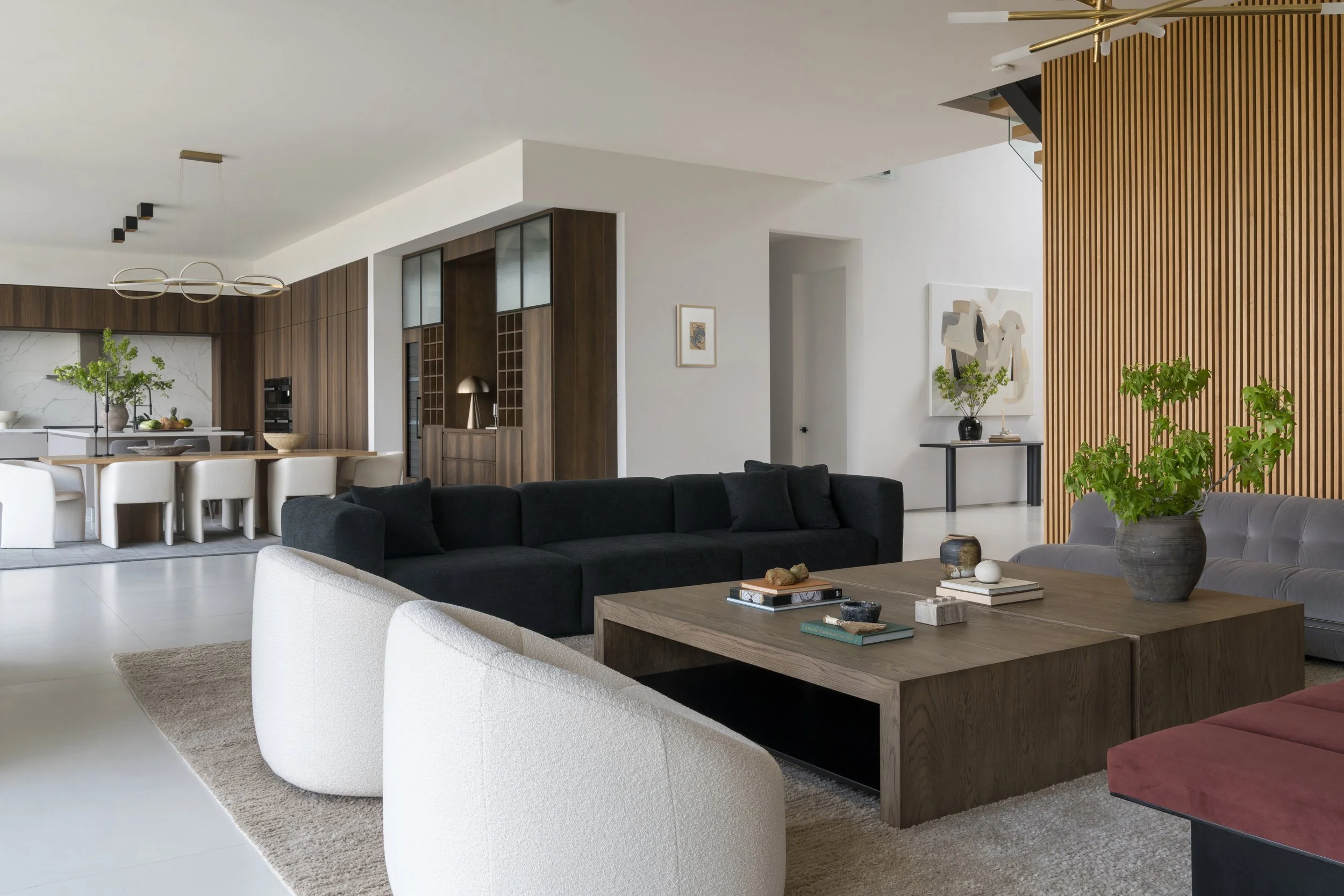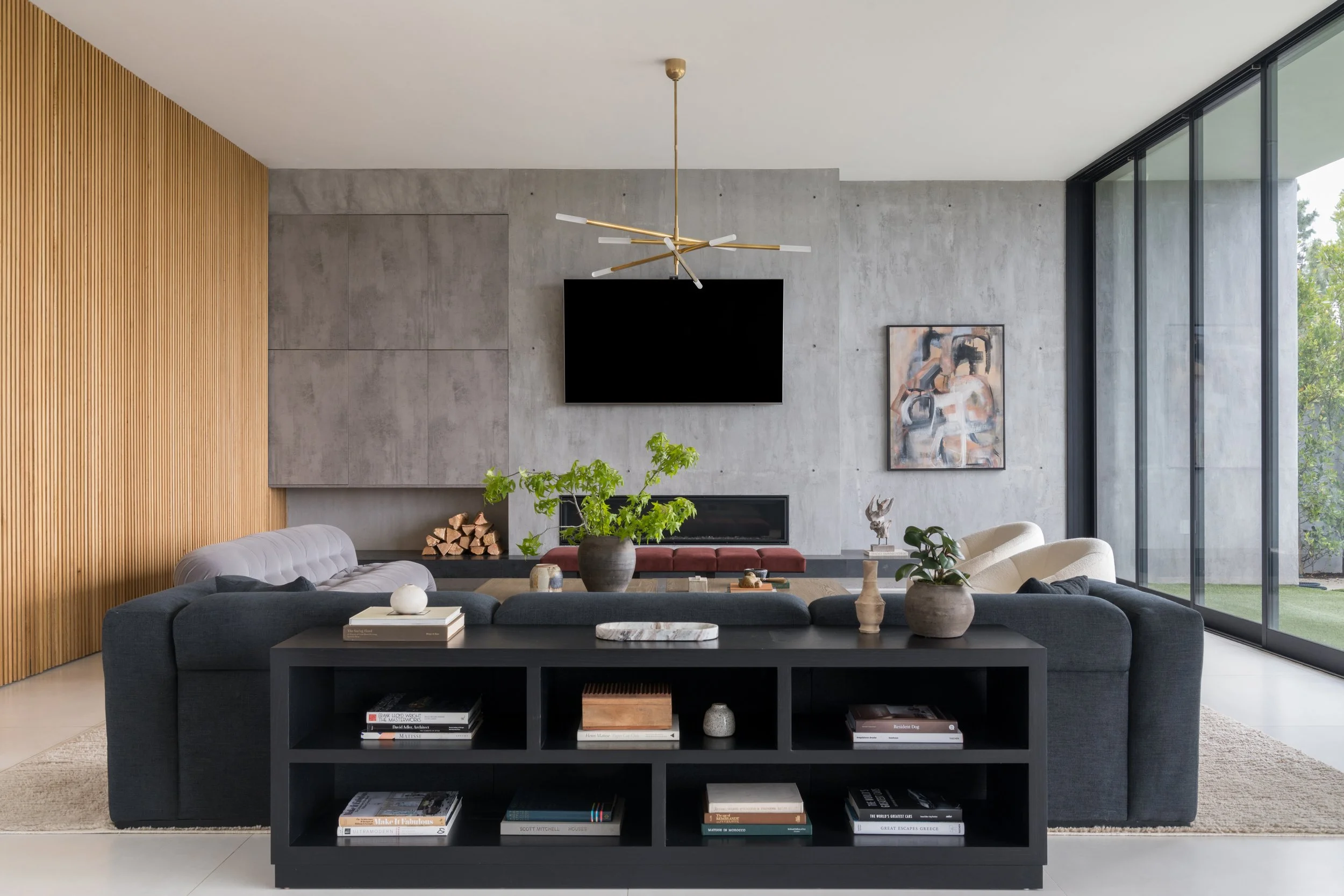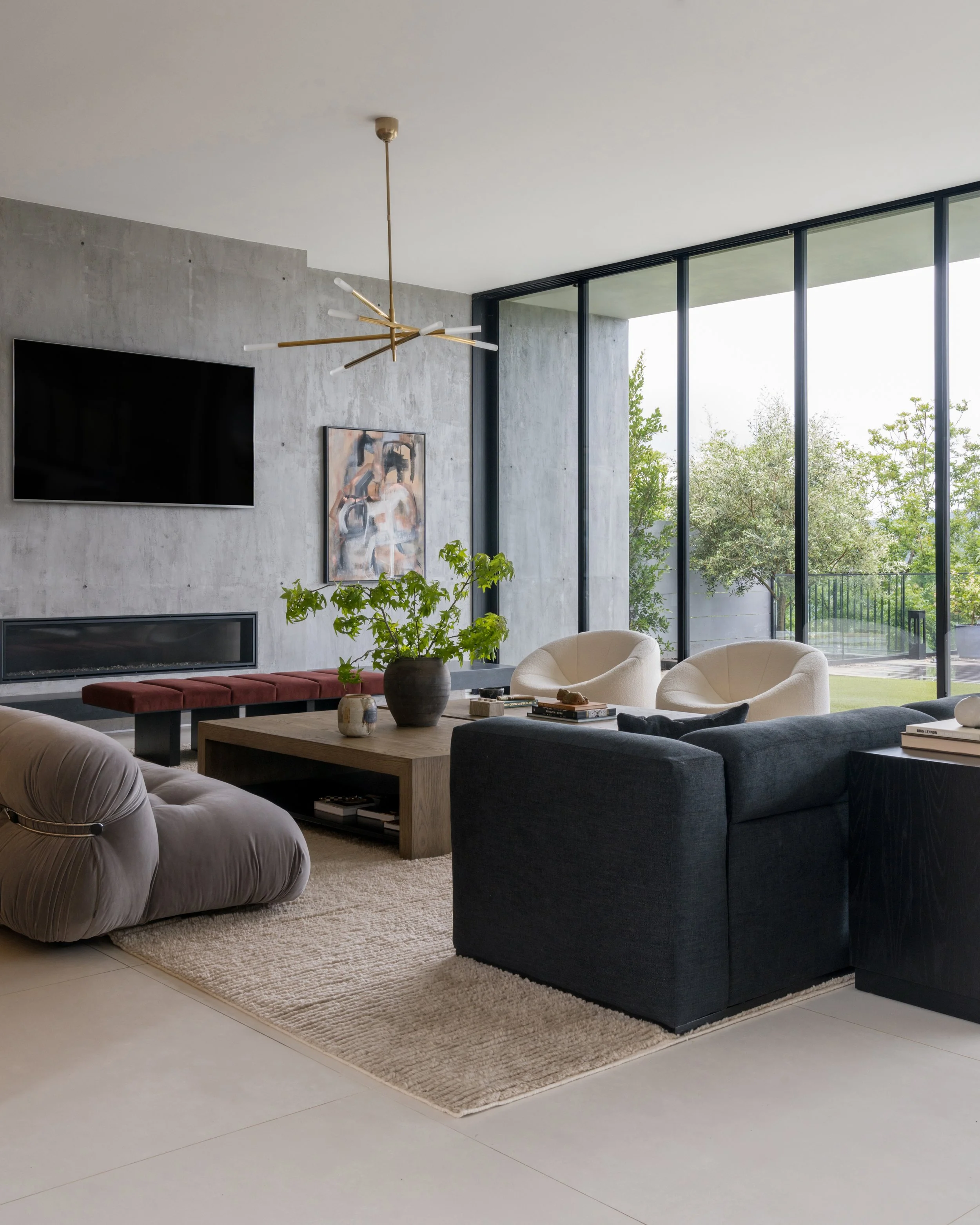
Every rebuild starts the same way: Corey walks the lot with you, looks at what's left, and gives you a realistic picture of cost, schedule and options before you commit to a design. We work with your architect, or with pre-approved plans, and we coordinate with your insurance adjuster on the scope.
Your rebuild options
Like-for-like rebuild
Rebuilding the same footprint, height and design is usually the fastest path through planning. The state and the city have fast-tracked like-for-like rebuilds since the January 2025 fires. Some architects have reported planning approvals in days rather than months.
Rebuild with changes
A bigger kitchen, another bedroom, a better layout, or a second story where the lot allows. Redesigning takes longer to permit, but you'll live in this house for decades. We help you weigh the time against what you gain.
Pre-approved plans
Los Angeles County has approved a catalog of ready-to-build home designs for fire areas. They can save design time and cost, though each one still has to be fitted to your lot, foundation and utilities.
ADU first
Under California's AB 462, a detached ADU on a fire-damaged lot can get its certificate of occupancy before the main house is finished. For many families, that's the fastest way back onto the property: you live in a small permitted unit while the main house is built.
How a Jencor rebuild works
- Site walk and budget. We look at the lot, foundation, retaining walls, utilities and access. We give you a budget range based on your actual property, not a square-foot average.
- Insurance coordination. We help you understand the scope your policy covers, including code-upgrade coverage, and provide the detailed estimate your adjuster needs.
- Design and permits. We work with your architect or a pre-approved plan, coordinate engineering and energy reports, and manage plan check corrections.
- Construction. One team runs the job from foundation to final. Corey stays involved and onsite through the final inspection.
- Move back in. Final inspections, certificate of occupancy and a walkthrough with you.
Building back fire-resistant
A rebuild is the best chance to build a house that stands up to the next fire. We build to California's wildfire construction standards, with:
- Class A roofing, ember-resistant vents and protected eaves
- Noncombustible siding such as stucco or fiber cement, especially near the ground
- Dual-pane windows with tempered glass
- A noncombustible first five feet around the house, to meet the state's new Zone 0 rules
- Fire-resistant decks, fences and gates where they meet the house
Rules that apply to rebuilds
- Energy code exception. Executive Order N-29-25 temporarily lets qualifying fire rebuilds skip the newest solar and battery requirements, though the home must be solar-ready. See our post on California's new energy code.
- Coastal permits. In coastal areas like Malibu and parts of the Palisades, a coastal development permit may also be needed. AB 462 put deadlines on coastal permits for ADUs.
- Hillside lots. Many burned areas are on slopes. Foundations, retaining walls and drainage are often the biggest cost on a hillside rebuild. Read our hillside building guide.
For where rebuilding stands across Los Angeles and what's slowing it down, read Rebuilding After the LA Fires.